
siya organic basket
Healthy lifestyle
Planting oregano, sage, and thyme together is important because they share complementary earthy and aromatic flavors, making them ideal for seasoning Mediterranean-style dishes, roasts, and sauces. From a planting perspective, all three thrive in sunny, well-draining soil with minimal watering, which allows for efficient cultivation and maintenance. Together, they provide health benefits including antioxidant support, anti-inflammatory properties, digestive aid, and immune system enhancement, making them a powerful trio both in the kitchen and in herbal wellness.
OREGANO CARE GUIDE
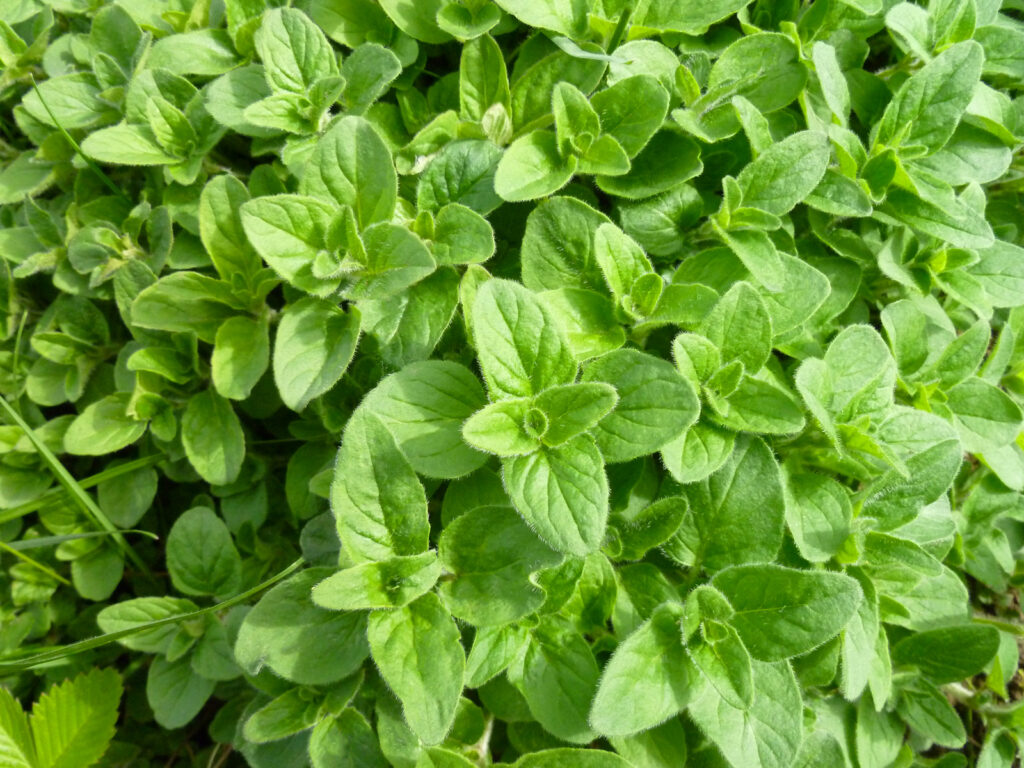
Oregano is a hardy, aromatic herb with small green leaves, widely used to flavor Mediterranean and Italian dishes.
Planting
- Climate: Warm, dry climates; thrives in sun.
- Location: Full sun (6–8 hours).
- Soil: Well-draining, slightly sandy or rocky soil — oregano grows best in poor to average soil, not rich soil.
- Propagation:
- Cuttings (quickest)
- Division
- Seeds (slower but doable)
Watering
- Water moderately.
- Allow soil to dry out between waterings.
- Oregano is drought-tolerant — overwatering is the biggest killer.
Fertilizing
- Light compost once every 2–3 months is enough.
Maintainance
- Pinch back young shoots to encourage bushy growth.
- Trim regularly to avoid the plant becoming woody.
- Remove flowers if you want stronger leaf flavor.
Harvesting
- Harvest when the plant is at least 8–10 cm tall.
- For best flavor, harvest just before flowering.
- Cut stems in the morning.
- Leaves can be dried easily — oregano retains flavor well when dried.
Oregano
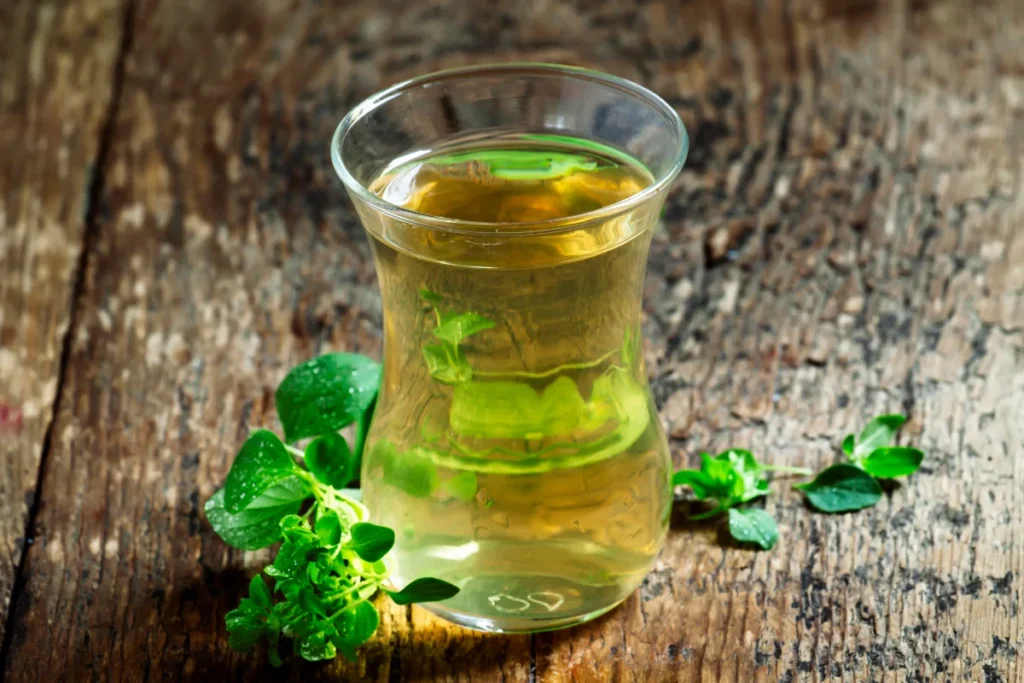
OREGANO TEA RECIPE (Simple & Herbal)
Ingredients
- 1 tablespoon fresh oregano leaves
- 1 cup hot water
- Honey or lemon (optional)
Instructions
- Rinse oregano leaves.
- Lightly crush them to release aroma.
- Pour hot water over the leaves.
- Steep for 5–10 minutes.
- Strain and sweeten if desired.
- Drink warm
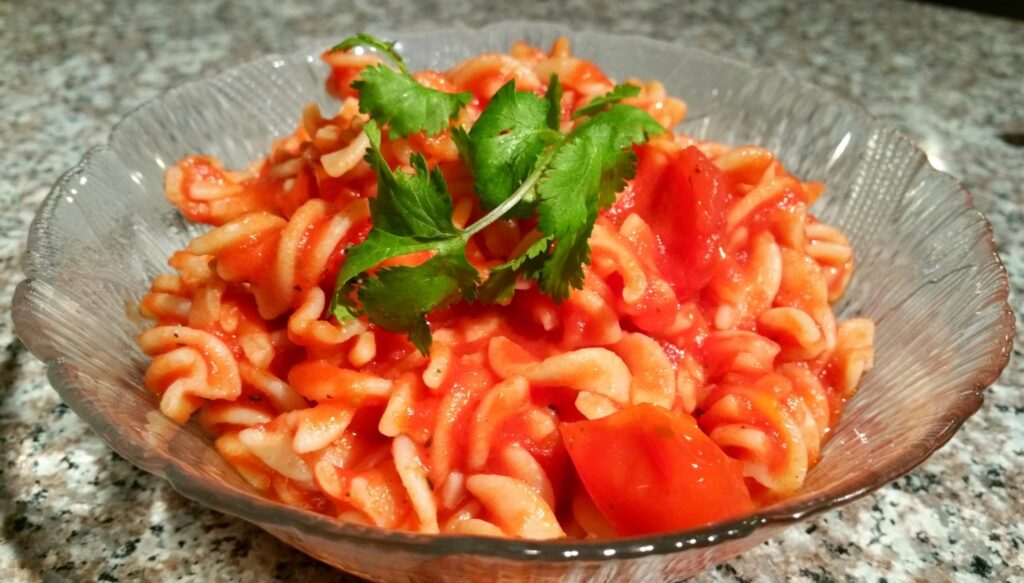
OREGANO GARLIC PASTA SAUCE
Ingredients
- 2 tbsp fresh oregano (finely chopped)
- 3–4 garlic cloves (minced)
- 3 tbsp cooking oil or butter
- 2 tomatoes (blended or finely chopped)
- Salt & black pepper
- A pinch of chili flakes (optional)
Instructions
- Heat oil or butter in a pan.
- Add garlic — sauté until fragrant.
- Add tomatoes and let them cook down.
- Stir in oregano, salt, pepper, and chili flakes.
- Simmer for 5 minutes.
- Toss with cooked pasta or use as a marinade for chicken.
SAGE HERB CARE GUIDE
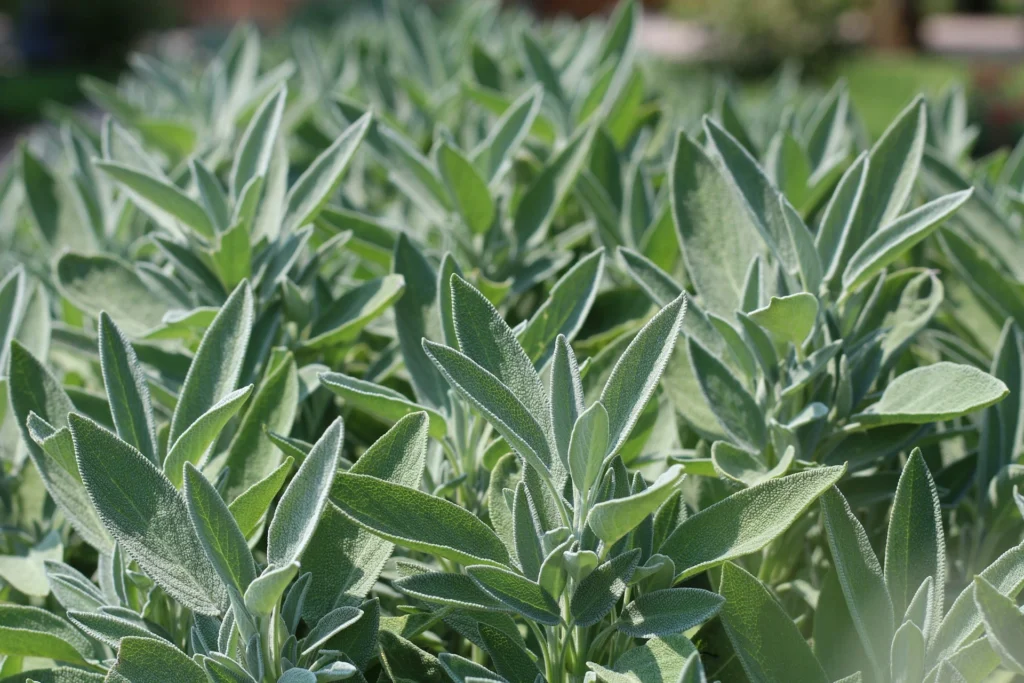
Sage is a fragrant, perennial herb with gray-green leaves, commonly used for culinary and medicinal purposes.
Planting
- Climate: Sage loves warm, dry climates with plenty of sunlight.
- Location: Full sun (6+ hours).
- Soil: Well-draining, sandy or loamy soil. Avoid soggy soil—sage hates wet roots.
- Propagation:
- Seeds (slow but possible)
- Cuttings (fastest and easiest)
- Transplants from nursery
Watering
- Water lightly. Allow the top 2–3 cm of soil to dry before watering again.
Overwatering causes root rot—better to underwater than overwater
Fertilizing
- Sage doesn’t need heavy feeding.
- Use a light compost every 1–2 months.
Maintainance
- Trim regularly to keep the plant bushy.
- Remove dead or woody stems.
- Replace plants every 3–4 years as flavor declines with age.
Harvesting
- Harvest when plant is mature (8–10 weeks).
- Pick leaves in the morning for best flavor.
- You can air-dry sage for storage.
Sage Herb
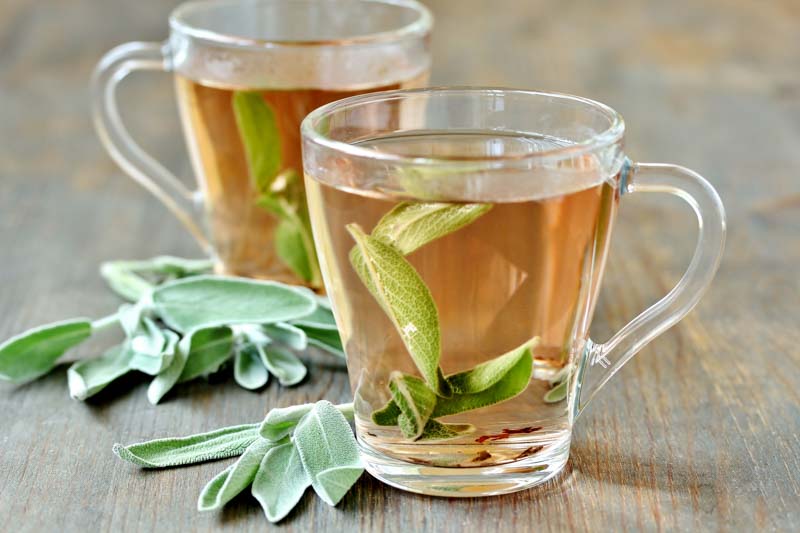
SAGE TEA RECIPE (Simple & Healing)
Ingridients
- 4–6 fresh sage leaves (or 1 tsp dried)
- 1 cup hot water
- Honey or lemon (optional)
Instructions
- Wash the sage leaves.
- Place them in a cup.
- Pour hot (not boiling) water over them.
- Steep for 5–7 minutes.
- Add honey or lemon if desired.
- Strain and enjoy.
Benefits: soothing for the throat, digestion support, calming.

GARLIC SAGE CHICKEN MARINADE
Ingridients
- 6–8 fresh sage leaves (finely chopped)
- 3 cloves garlic (crushed)
- 1 tbsp lemon juice
- 2 tbsp olive oil
- 1 tsp black pepper
- Salt to taste
Instructions
- Mix all ingredients into a paste.
- Rub on chicken pieces.
- Marinate for 1–2 hours.
- Grill, bake, or pan-fry.
THYME CARE GUIDE
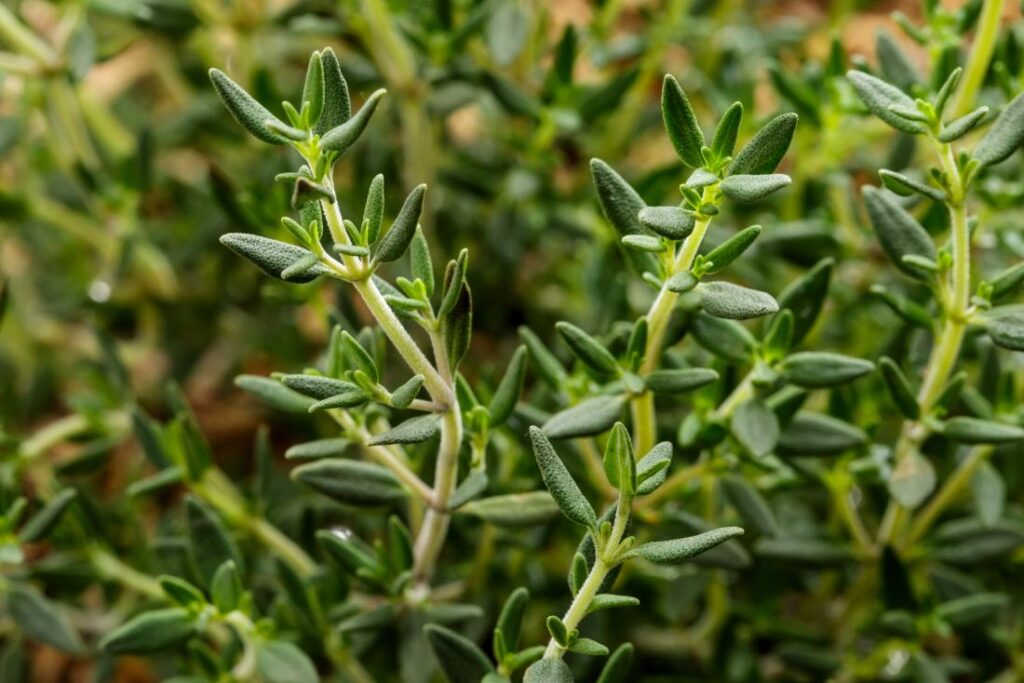
Thyme is a low-growing, aromatic herb with small leaves, commonly used to season food and for medicinal purposes.
Planting
- Climate: Warm, sunny, and dry conditions.
- Light: Full sun (6–8 hours).
- Soil: Well-draining, sandy or rocky soil.
- Propagation:
- Seeds (slow)
- Cuttings (best)
- Division of mature plants
Watering
- Water sparingly.
- Allow soil to dry between waterings.
- Thyme is drought-tolerant and hates soggy roots.
Fertilizing
- Light feeders.
- Add compost every 2–3 months only.
Maintainance
- Trim regularly to keep plant bushy.
- Remove woody stems and dead parts.
- Replace plants every 3–4 years when they lose flavour.
Harvesting
- Harvest early morning for best aroma.
- Pick tender new stems for cooking.
- Thyme dries very well; hang small bunches in a dry area.
Thyme
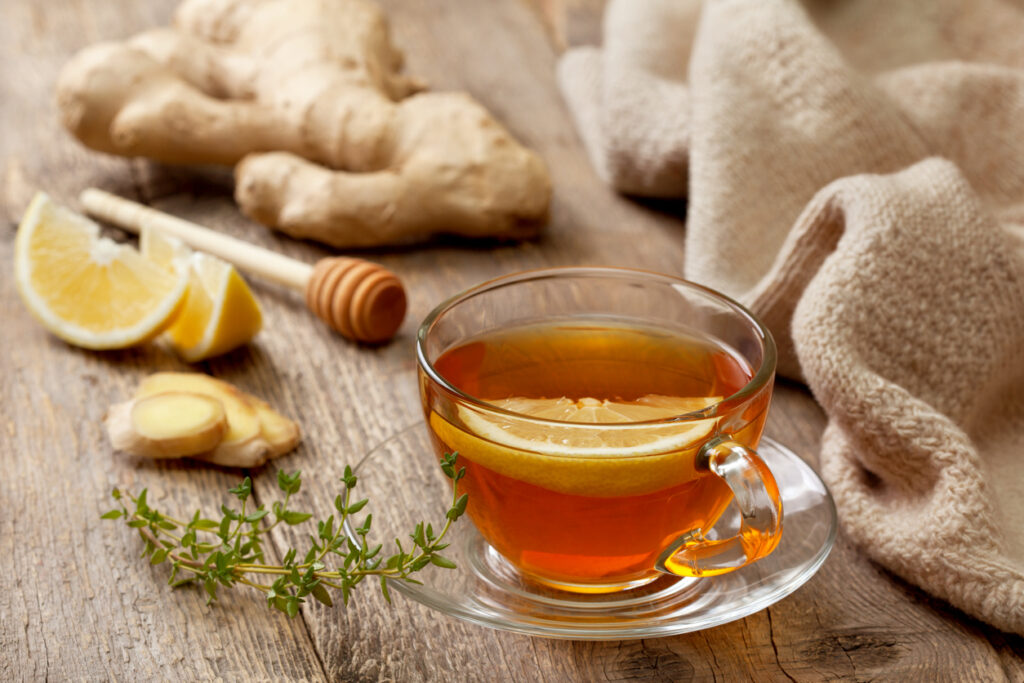
THYME TEA (Calming & Aromatic)
Ingridients
- 1 teaspoon fresh thyme (or ½ teaspoon dried)
- 1 cup hot water
- Honey or lemon (optional
Instructions
- Rinse thyme.
- Place in a cup and pour hot water over it.
- Steep for 5–7 minutes.
- Strain and sweeten if desired.
- Serve warm.
Great for coughs, immunity, and relaxation.

GARLIC THYME CHICKEN
Ingridients
- 1 tbsp fresh thyme (or 1 tsp dried)
- 3 garlic cloves (minced)
- 2 tbsp lemon juice
- 2 tbsp oil
- Salt & black pepper
- Chicken pieces (½–1 kg)
Instructions
- Mix thyme, garlic, lemon, oil, salt, and pepper.
- Rub onto chicken pieces.
- Marinate for 30 minutes–2 hours.
- Grill, bake, or pan-fry until golden and fully cooked.
Fragrant, savoury, and perfect with rice, ugali, or potatoes.
